The evolution of biosafety containment, particularly in P4 laboratories, represents one of the most critical yet least visible frontiers of modern science. These facilities, designed to handle the world's deadliest pathogens, have undergone radical transformations since their inception. What began as rudimentary isolation chambers has morphed into technological fortresses where air, water, and even waste follow meticulously engineered containment protocols. The journey reflects not just scientific progress but a fundamental shift in how humanity confronts existential biological threats.
Early containment efforts emerged from necessity rather than design. During the 1960s, researchers working with virulent strains like Marburg and Lassa fever viruses often relied on improvised solutions—negative pressure rooms adapted from tuberculosis wards, homemade positive pressure suits, and manual decontamination procedures. The 1967 Marburg outbreak among vaccine factory workers in Germany exposed the terrifying gaps in biological containment. Seven deaths and 31 infections traced to handling African green monkey kidneys revealed how unprepared laboratories were for emerging pathogens.
The landmark 1974 CDC/NIH classification system established the first formal biosafety levels, with P4 (Pathogen or Protection Level 4) representing the highest containment tier. This coincided with the construction of the first purpose-built P4 facility at the US Army Medical Research Institute of Infectious Diseases (USAMRIID). Its design innovations—double HEPA filtration, chemical showers, and airtight construction—became the template for future facilities. Yet these early P4 labs still relied heavily on human protocols; a single glove tear or procedural lapse could compromise the entire system.
Three technological revolutions transformed P4 laboratories between 1980 and 2010. The advent of class III biological safety cabinets in the early 1980s created impervious barriers between researchers and pathogens. These glovebox systems, originally developed for nuclear research, were adapted with gas-tight seals and integrated sterilization. The 1990s saw digitalization enter containment science—automated airlock sequencing, real-time particulate monitoring, and electronic tracking of specimens reduced human error. Most significantly, the 2001 anthrax attacks prompted the development of materials science applications in lab construction. Antimicrobial copper alloys, welded stainless steel joints, and break-resistant viewing panels became standard.
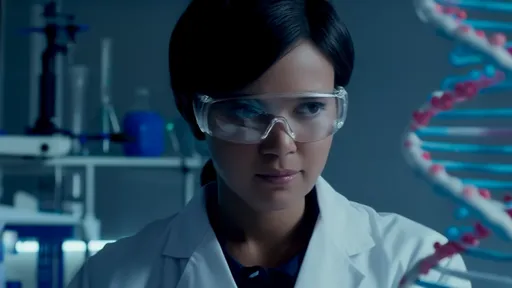
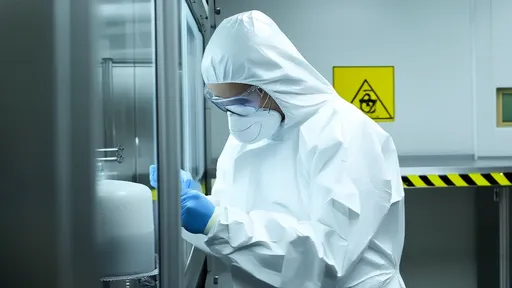
Contemporary P4 facilities like the Wuhan National Biosafety Laboratory and Canada's National Microbiology Laboratory represent the current pinnacle of containment technology. Their multi-layered defense systems incorporate positive-pressure personnel suits with independent oxygen supplies, biosecure anterooms with iris recognition, and liquid waste sterilization through alkaline hydrolysis. Perhaps most remarkably, artificial intelligence now monitors hundreds of containment parameters simultaneously, predicting potential breaches before they occur. Machine learning algorithms analyze glove stress patterns, filter degradation rates, and even subtle changes in airflow that might indicate structural compromise.
The ongoing challenges facing P4 laboratories reveal the delicate balance between security and scientific progress. After the 2003 SARS outbreaks, many facilities adopted "hot zone" robotics to minimize human exposure. However, researchers soon discovered that automated systems struggled with the nuanced manipulations required for virology work. Similarly, the push for transparent containment walls (to allow visual monitoring) conflicted with the need for electromagnetic shielding to prevent data leaks. Recent incidents, like the 2019 power failure at a Russian P4 facility, underscore how even the most advanced systems remain vulnerable to infrastructure disruptions.
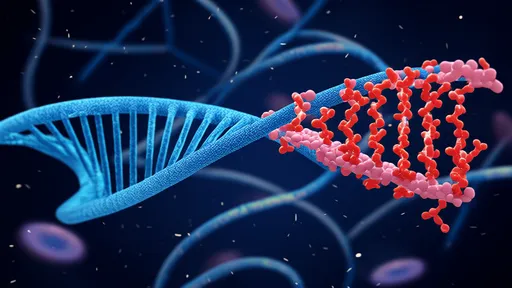
Looking ahead, next-generation containment is exploring biologically integrated solutions. Experimental labs are testing self-sterilizing surfaces coated with antimicrobial peptides, inspired by shark skin and dragonfly wing nanostructures. Another frontier involves CRISPR-based "kill switches" engineered into laboratory microbes—genetic safeguards that automatically trigger pathogen destruction if they escape containment. Perhaps most radically, some researchers propose moving high-containment facilities to offshore platforms or underground locations, creating geographical isolation to complement physical barriers.
The story of P4 laboratory evolution is ultimately one of societal priorities as much as scientific innovation. Each major upgrade followed either a biological catastrophe or the emergence of new threats—from HIV to synthetic biology. As gain-of-function research expands and climate change alters pathogen distribution, containment science faces its most complex challenges yet. The laboratories protecting us today would be unrecognizable to their mid-century predecessors, and they will likely undergo similar transformations before another decade passes. What remains constant is the paradox at their core: the safest way to study humanity's deadliest enemies is to build increasingly sophisticated cages around them.

By /Aug 18, 2025
By /Aug 18, 2025
By /Aug 18, 2025
By /Aug 18, 2025
By /Aug 18, 2025

By /Aug 18, 2025
By /Aug 18, 2025

By /Aug 18, 2025
By /Aug 18, 2025
By /Aug 18, 2025

By /Aug 18, 2025
By /Aug 18, 2025

By /Aug 18, 2025
By /Aug 18, 2025

By /Aug 18, 2025

By /Aug 18, 2025
By /Aug 18, 2025

By /Aug 18, 2025
By /Aug 18, 2025
By /Aug 18, 2025
