In the realm of culinary science, few processes are as fascinating—or as fundamental—as yeast fermentation. This biochemical dance between microorganisms and carbohydrates lies at the heart of bread-making, brewing, and countless other kitchen alchemies. Yet controlling these variables remains equal parts art and science, demanding precision, patience, and a willingness to embrace the unexpected.
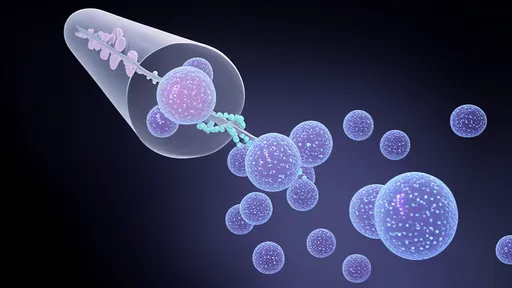
At its core, yeast fermentation is a metabolic process where sugars are converted into carbon dioxide and alcohol. The rate and efficiency of this transformation hinge on a delicate balance of environmental factors. Temperature emerges as the most influential variable, acting as both accelerator and inhibitor. Too cold, and yeast cells become sluggish; too warm, and they may exhaust their food supply prematurely or produce undesirable off-flavors. Professional bakers often speak of the "Goldilocks zone" between 75°F and 85°F (24°C-29°C), where Saccharomyces cerevisiae—the common baker's yeast—thrives without stress.
Moisture content proves equally critical. Unlike commercial bakeries that precisely measure hydration levels, home cooks frequently underestimate water's role beyond mere dough consistency. Hydration affects gluten development, certainly, but it also determines how easily yeast can access dissolved sugars. A stiff dough with 60% hydration ferments markedly slower than a wet 75% ciabatta mixture, even when all other variables remain constant. The water's mineral content further complicates matters, with hard water sometimes requiring adjusted fermentation times.
Oxygen availability presents another often-overlooked factor. While yeast fermentation is anaerobic at its metabolic core, initial aerobic conditions promote healthier cell reproduction. This explains why skilled bakers incorporate stretch-and-fold techniques during bulk fermentation—not just to develop gluten, but to redistribute oxygen and byproducts. The container's shape and size matter profoundly here; a wide bowl allows better gas exchange than a tall, narrow vessel.
Sugar type and concentration create fascinating divergences in fermentation behavior. Glucose and fructose are metabolized most rapidly, while maltose—abundant in flour—requires enzymatic breakdown first. Honey, rich in fructose, can cause explosive initial activity followed by sudden slowdowns as complex sugars remain. Molasses introduces minerals that actually stimulate yeast metabolism, explaining why dark rye breads often proof faster than their white flour counterparts despite heavier dough structures.
Salt deserves special consideration as fermentation's paradoxical regulator. While high concentrations can inhibit yeast entirely, the 1.8-2.2% typical in bread dough performs crucial functions: strengthening gluten, moderating enzymatic activity, and preventing wild microbial competitors from flourishing. Professional kitchens sometimes employ delayed salting techniques, adding it partway through fermentation to maximize early yeast reproduction before reining in activity.
The fermentation vessel itself becomes an active participant in the process. Glass maintains consistent temperatures but offers no insulation. Stainless steel conducts heat efficiently, requiring careful monitoring. Wooden proofing boxes, cherished by traditional bakers, maintain humidity naturally but may harbor microbial cultures that influence flavor development over time. Even the choice of covering—cloth versus plastic wrap—alters surface moisture and gas exchange rates.
Time remains the ultimate variable that ties all others together. Unlike commercial operations that prioritize speed, kitchen laboratories benefit from extended cold fermentations. Retarding dough in refrigeration (38°F-45°F/3°C-7°C) slows yeast activity dramatically while allowing flavor-developing bacteria to work. This technique, borrowed from artisan bakeries, produces complex flavors unattainable through room-temperature proofs alone. The difference between an 8-hour bulk ferment and a 72-hour cold ferment isn't merely chronological—it's transformational.
Experimentation reveals surprising nuances. A dough that proofs perfectly at sea level may over-ferment at high altitudes due to decreased atmospheric pressure. Lunar phases have no scientific bearing, but many veteran bakers swear by changes in fermentation vigor during seasonal transitions. The myth of "yeast expiration" crumbles when one discovers that properly stored yeast remains viable years beyond its printed date, albeit with gradually reduced activity.
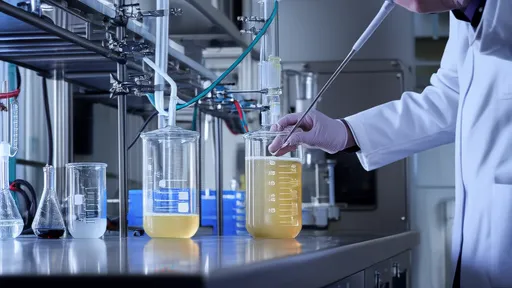
Modern tools have democratized control over these variables. Smartphone-connected temperature probes, precision scales measuring to 0.1 grams, and humidity-controlled proofing boxes bring laboratory-grade accuracy to home kitchens. Yet the most revealing instrument remains the baker's senses—the way dough feels during the windowpane test, the sound of hollow knuckles on baked loaves, the floral-alcoholic perfume of perfectly proofed dough.
Ultimately, mastering yeast fermentation variables isn't about rigid formulas, but understanding how each factor influences microbial behavior. Like conducting an orchestra where each instrument enters at the right moment, the baker coaxes maximum performance from living cultures. When temperature, hydration, time, and ingredients harmonize, the result transcends chemistry—it becomes culinary artistry.
By /Aug 18, 2025

By /Aug 18, 2025

By /Aug 18, 2025
By /Aug 18, 2025

By /Aug 18, 2025
By /Aug 18, 2025

By /Aug 18, 2025

By /Aug 18, 2025
By /Aug 18, 2025
By /Aug 18, 2025

By /Aug 18, 2025
By /Aug 18, 2025

By /Aug 18, 2025

By /Aug 18, 2025

By /Aug 18, 2025
By /Aug 18, 2025

By /Aug 18, 2025

By /Aug 18, 2025

By /Aug 18, 2025

By /Aug 18, 2025
