The Nobel Prize has long been regarded as the pinnacle of scientific achievement, recognizing breakthroughs that redefine our understanding of the world. As we look toward 2025, speculation is mounting about which fields and discoveries might capture the attention of the Nobel Committee. Among the most talked-about candidates is telomerase activation, a groundbreaking area of research with profound implications for aging, cancer, and regenerative medicine. But it is far from the only contender—several other cutting-edge scientific domains are generating significant buzz in academic circles.
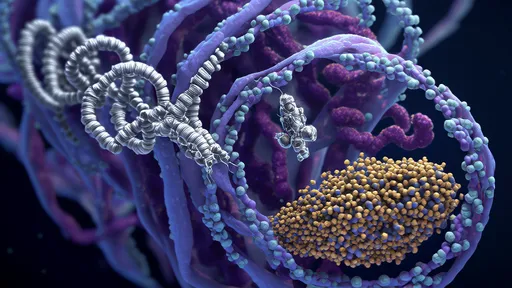
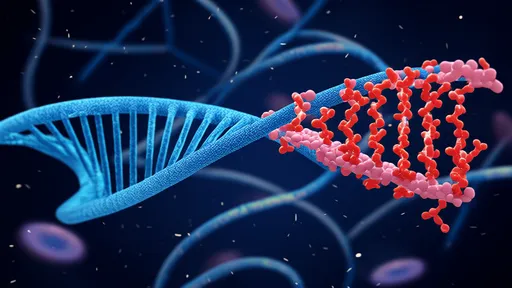
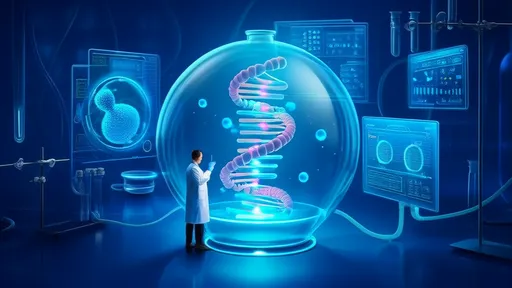
Telomerase activation stands out as a particularly compelling candidate for Nobel recognition. Telomeres, the protective caps at the ends of chromosomes, shorten with each cell division, eventually leading to cellular aging. The discovery of telomerase, an enzyme that can extend these telomeres, opened the door to potential therapies for age-related diseases. Researchers like Elizabeth Blackburn, Carol Greider, and Jack Szostak were awarded the Nobel Prize in Physiology or Medicine in 2009 for their foundational work on telomeres and telomerase. Now, advancements in telomerase activation therapies—ranging from anti-aging interventions to cancer treatments—are pushing the boundaries of biomedical science. If successful clinical applications emerge, this field could very well earn another Nobel nod.
Beyond telomerase, CRISPR gene editing continues to dominate scientific discourse. Jennifer Doudna and Emmanuelle Charpentier’s 2020 Nobel Prize in Chemistry cemented CRISPR’s place in history, but the technology’s evolution is far from over. New refinements, such as base editing and prime editing, are making gene therapy more precise and accessible. Researchers are exploring CRISPR’s potential in curing genetic disorders, engineering disease-resistant crops, and even combating viral infections. Given its transformative impact, it wouldn’t be surprising if the Nobel Committee revisits this field to honor further innovations.
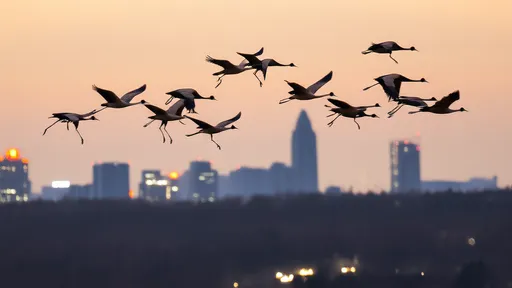
Another strong contender is the burgeoning field of quantum biology, which explores how quantum mechanics influences biological processes. Once considered a fringe idea, quantum biology has gained credibility with discoveries like quantum coherence in photosynthesis and the role of quantum tunneling in enzyme reactions. Scientists are now investigating whether quantum effects play a role in bird migration, olfaction, and even human consciousness. If experimental evidence continues to mount, this interdisciplinary field could disrupt traditional biology and chemistry, making it a prime candidate for Nobel recognition.
Meanwhile, neuroscience is experiencing a renaissance, driven by breakthroughs in brain-machine interfaces and neural decoding. The development of technologies like Neuralink and advanced neuroprosthetics has blurred the line between biology and artificial intelligence. Researchers are unraveling the mysteries of memory, decision-making, and even subjective experience at an unprecedented pace. Given the profound implications for treating neurological disorders and enhancing human cognition, neuroscience is a strong bet for future Nobel Prizes.
Lastly, climate science and carbon capture are emerging as critical areas of innovation. As the planet grapples with climate change, scientists are racing to develop scalable solutions for carbon sequestration and sustainable energy. Breakthroughs in artificial photosynthesis, direct air capture, and next-generation batteries could redefine humanity’s relationship with the environment. Given the urgency of the climate crisis, the Nobel Committee may prioritize honoring contributions that offer tangible hope for the planet’s future.
While these five areas—telomerase activation, CRISPR advancements, quantum biology, neuroscience, and climate science—are currently at the forefront of Nobel speculation, the unpredictable nature of scientific discovery means surprises are always possible. What remains certain is that the next few years will yield transformative breakthroughs, each with the potential to join the pantheon of Nobel-winning achievements.
By /Aug 18, 2025
By /Aug 18, 2025
By /Aug 18, 2025
By /Aug 18, 2025
By /Aug 18, 2025
By /Aug 18, 2025
By /Aug 18, 2025
By /Aug 18, 2025
By /Aug 18, 2025
By /Aug 18, 2025
By /Aug 18, 2025
By /Aug 18, 2025
By /Aug 18, 2025
By /Aug 18, 2025

By /Aug 18, 2025

By /Aug 18, 2025
By /Aug 18, 2025

By /Aug 18, 2025
By /Aug 18, 2025
By /Aug 18, 2025
